Smartphone compatible thermal imaging cameras make it easier to spot heat loss, electrical hot spots, leaks, and insulation gaps without carrying a bulky standalone imager.
In this roundup, we focus on the most useful options for real-world mobile inspections, comparing image quality, phone compatibility, temperature range, and value.
Best 10 Smartphone Compatible Thermal Imaging Cameras Picks for 2026
Android High-Detail Pick
TOPDON TC001 512x384 Thermal Imager

- 256x192 enhanced to 512x384 with TISR
- 0.35W power draw for longer sessions
- -20°C to 550°C range with 0.1°C readings
Best For: Android troubleshooting with detailed thermal imaging
Cross-Platform Diagnostic Choice
Klein Tools TI223 Mobile Imager
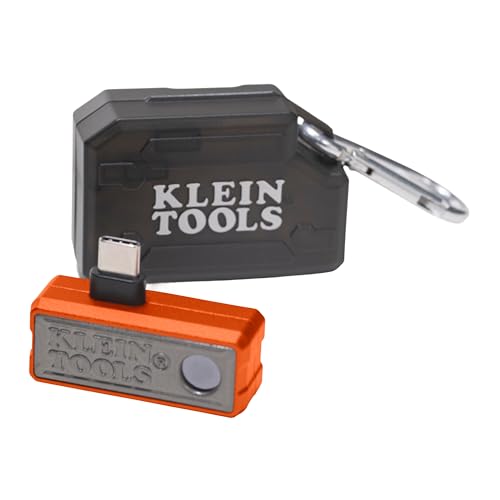
- Works with iOS and Android via USB-C
- 19,200-pixel resolution for hot/cold spots
- Captures thermal images, video, and time-lapse
Best For: Field technicians needing easy mobile diagnostics and reporting
Most Versatile Pick

- Works with iPhone, Android, iPad, and Windows
- Dual-lens thermal plus visible-light imaging
- 512x384 enhanced resolution with 25Hz refresh
Best For: Multi-device users who want flexible thermal inspection
Lightning iPhone Specialist

- Fits iOS devices with Lightning ports
- 1440x1080 visual and 80x60 thermal resolution
- FLIR Ignite Cloud for upload and sharing
Best For: Lightning-port iPhone owners doing professional inspections
Universal USB-C Thermal Imaging
TOPDON TC002C Duo for Any USB-C iPhone iPad Android

- USB-C compatibility for iOS, Android, and Windows
- TISR boosts 256x192 to 512x384 detail
- 25Hz refresh and 40mK sensitivity aid live tracking
Best For: USB-C users needing a compact thermal tool for inspections and temperature checks
Android/PC Thermal Imager
AMPBANK M256 512x384 TISR Camera

- OTG Android and PC plug-and-play support
- 256x192 IR with 512x384 TISR enhancement
- Low-power design supports longer inspection sessions
Best For: Android and PC users needing a lightweight thermal imager for diagnostics
Plug-and-Play Smartphone Thermal Camera
GW192A for iPhone/Android/Tablet

- USB-C plug-and-play with no batteries or pairing
- 192x192 thermal imaging with a 50° field of view
- Works with iPhone 15/16/17 series phones
Best For: iPhone and Android users who want a fast, portable thermal check tool
Shop-Ready Android Thermal Pick
384x288 IR Thermal Camera for Smartphones

- 384 x 288 IR resolution
- USB/Type-C Android plug-and-play
- 25 Hz real-time imaging
Best For: Android users needing clearer phone-based thermal imaging for inspections
High-Detail Cross-Platform Scanner
VANTRUE POWER TS2 Thermal Camera

- 512 x 384 super-resolution
- Android, iPhone USB-C, Windows support
- Manual focus for macro to long range
Best For: Users who want broad compatibility and more detailed thermal inspection images
Compact Leak-Finding Choice

- USB-C plug-and-play setup
- 192 x 192 IR resolution
- Pocket-sized for tight spaces
Best For: Quick leak detection and general inspections from a compact phone attachment
Android High-Detail Pick – TOPDON TC001 512×384 Thermal Imager
If you want a smartphone compatible thermal imaging camera that prioritizes detail on Android, the TOPDON TC001 is built around that use case. It starts at 256×192 thermal imaging and uses TISR technology to enhance output to 512×384, while drawing very little power from your phone for long inspection sessions.
Best For: Android users who want a compact thermal camera for electrical checks, HVAC work, and general troubleshooting.
Pros:
- Enhanced 512×384 thermal output with TISR for clearer image detail
- Very low power draw at 0.35W, with 4-7 hours of use on supported phones
- Wide temperature range from -20°C to 550°C with accurate readings to 0.1°C
- Compact body and included EVA bag make it easy to carry
Cons:
- Android-only compatibility means it is not for iPhone users
- Not compatible with iPhone 15
- Requires an Android device that supports OTG, and TISR support should be confirmed before buying
The TC001 is a practical pick if you already use Android and want richer thermal detail without adding much bulk or power demand. Its app tools, image enhancement, and temperature measurement modes make it useful for more than just quick spot checks.
Cross-Platform Diagnostic Choice – Klein Tools TI223 Mobile Imager
The Klein Tools TI223 is a smartphone compatible thermal imaging camera designed for users who move between iOS and Android devices. It offers a 19,200-pixel thermal image, a broad temperature range, and app-based capture tools that fit well into electrical and HVAC troubleshooting workflows.
Best For: Technicians who want a mobile thermal imager for diagnostics, documentation, and sharing from either iOS or Android.
Pros:
- Works with both iOS and Android devices via USB-C
- 19,200-pixel resolution helps reveal hot and cold spots
- Captures thermal images and video, including time-lapse
- Multiple temperature readouts, including spot, high/low, and differential
Cons:
- Temperature range tops out at 400°C, which is lower than some alternatives
- Fits phone cases only up to 1/5-inch thick
- No mention of interchangeable adapters for Lightning-equipped older iPhones
For mobile diagnostics, the TI223 is a straightforward tool with strong core features and broad compatibility. It makes the most sense if you value easy capture, sharing, and practical temperature modes over extra-specialized imaging features.
Most Versatile Pick – TOPDON TC001 Max Dual-Lens
If you need smartphone compatible thermal imaging cameras that work across more than one platform, the TOPDON TC001 Max stands out for its plug-and-play flexibility. It supports Android, iPhone, iPad, and Windows devices, and its dual-lens design combines thermal and visible-light views for sharper outlines and easier identification.
Best For: Users who want one compact thermal camera for multiple devices and a wide range of inspection tasks.
Pros:
- Compatible with USB-C iPhone, iPad, Android, and Windows devices
- Dual-lens design blends infrared and visible-light views for clearer detail
- TISR enhancement boosts thermal resolution to 512×384
- Includes advanced app tools such as graphs, 3D analysis, and color palettes
Cons:
- Uses adapters for some devices, so setup is less direct than a single-connector model
- Advanced features rely on the companion apps
- More capability may be unnecessary for very basic spot-check use
The TC001 Max is the most flexible option here if you need one thermal camera to move between phone ecosystems. It pairs broad compatibility with stronger imaging and analysis tools, making it suitable for both quick checks and deeper diagnostics.
Lightning iPhone Specialist – FLIR ONE Pro LT iOS Camera
The FLIR ONE Pro LT is a smartphone compatible thermal imaging camera built specifically for iPhones with a Lightning port. It focuses on clear thermal troubleshooting for residential, automotive, chemical, plastic, and machinery applications, while adding cloud upload support for easier sharing and recordkeeping.
Best For: iPhone users with Lightning-port devices who want a rugged thermal camera for professional inspection work.
Pros:
- Designed for iOS devices with a Lightning port
- High-resolution 1440×1080 visual image with 80×60 thermal resolution
- FLIR Ignite Cloud support helps upload, organize, and share images
- Built to withstand jobsite use and a 1.5-meter drop
Cons:
- Not compatible with iPhone 15 and later USB-C models
- Limited to Lightning-port iPhones, so it is not cross-platform
- Thermal resolution is lower than some newer phone-connected models
This model makes sense if your workflow is tied to an older Lightning iPhone and you want a proven inspection tool. It is a practical choice for users who value durability, cloud sharing, and FLIR’s established app ecosystem.
Universal USB-C Thermal Imaging – TOPDON TC002C Duo for Any USB-C iPhone iPad Android
If you want smartphone compatible thermal imaging cameras that are easy to carry and quick to use, the TOPDON TC002C Duo is built around broad USB-C support and upgraded image detail. It turns a compatible phone or tablet into a thermal viewer with 256×192 capture enhanced to 512×384 through TISR, plus a 25Hz refresh rate for smoother live heat tracking.
Best For: USB-C users who want a compact thermal camera for home inspections, HVAC checks, electrical work, and general temperature spotting.
Pros:
- Works with USB-C smartphones and tablets across iOS, Android, and Windows
- TISR boosts 256×192 imaging to 512×384 for sharper thermal detail
- 25Hz refresh rate and 40mK sensitivity support real-time heat tracking
- Wide temperature range from -4°F to 1022°F with photo and video recording
Cons:
- Not compatible with Mac devices or Android 16 devices temporarily
- Requires the TopInfrared app for control
- Maximum measuring distance is limited to 16.4 ft for temperature differences
Overall, this model stands out if you want a pocket-sized thermal camera with strong compatibility and upgraded imaging in a simple USB-C format. It is a practical fit for everyday diagnostics and light professional use.
Android/PC Thermal Imager – AMPBANK M256 512×384 TISR Camera
The AMPBANK M256 is a strong option among smartphone compatible thermal imaging cameras if you want a compact plug-and-play imager for Android devices and PCs. It pairs 256×192 IR capture with 512×384 TISR-enhanced imaging, plus 3D thermal analysis for more detailed temperature evaluation across maintenance and inspection tasks.
Best For: Android users and PC users who want a lightweight thermal imager for fault detection, maintenance, and general thermal analysis.
Pros:
- Supports plug-and-play use with OTG-enabled Android devices and computers
- 256×192 IR resolution with 512×384 TISR enhancement
- 3D thermal analysis and three measurement modes add flexibility
- Low-power design can support 4-7 hours of operation on compatible Android devices
Cons:
- Compatibility is centered on OTG-enabled Android devices rather than all smartphones
- Best runtime depends on Android battery size and device support
- Compact size is useful, but the single-color option may not suit every user preference
For buyers who want a portable thermal camera with detailed imaging and straightforward connection support, the M256 is aimed at practical diagnostics. Its low power use and included accessories make it especially appealing for longer inspection sessions.
Plug-and-Play Smartphone Thermal Camera – GW192A for iPhone/Android/Tablet
For shoppers comparing smartphone compatible thermal imaging cameras, the GW192A focuses on simple USB-C plug-and-play use with no batteries or pairing required. It offers a 192×192 thermal image, a wide 50° field of view, and a compact body that is easy to carry for inspections around the house, shop, or vehicle.
Best For: iPhone and Android users who want a quick, portable thermal inspection tool for leaks, HVAC, electrical, and home-use checks.
Pros:
- USB-C plug-and-play operation with no batteries or pairing
- Compatible with iPhone 15/16/17 series phones
- 192×192 thermal resolution with a wide 50° field of view
- -4°F to 752°F range and ±2% accuracy for diagnostic work
Cons:
- Resolution is lower than upgraded 512×384 class models
- App setup is required through the THG Start workflow
- Small size is convenient, but it may feel limited for users wanting more advanced measurement modes
This model makes sense if you value fast setup and broad everyday usability over extra imaging refinement. It is a practical pocket tool for spot-checking heat loss, hotspots, and leaks without extra hardware.
Shop-Ready Android Thermal Pick – 384×288 IR Thermal Camera for Smartphones
If you want smartphone compatible thermal imaging cameras with a sharper-than-basic view, this Android model stands out for its 384 x 288 IR resolution and 25 Hz live imaging. It connects by USB or Type-C for plug-and-play use on Android phones, and the adjustable focus helps keep images clear when you move between close-up and general inspections.
Best For: Android users who want a higher-resolution phone-based thermal camera for home, electrical, and general inspection work.
Pros:
- 384 x 288 infrared resolution for more detailed thermal images
- USB/Type-C plug-and-play connection for Android smartphones
- Adjustable focus for clearer viewing across different targets
- 25 Hz real-time capture for photos and video
Cons:
- Designed for Android operating systems rather than broad phone support
- Lower portability appeal than ultra-compact clip-on options
This is a strong choice if resolution matters more than a tiny form factor. The included three-year warranty support also makes it easier to consider for regular use.
High-Detail Cross-Platform Scanner – VANTRUE POWER TS2 Thermal Camera
Among smartphone compatible thermal imaging cameras, the VANTRUE POWER TS2 is built for users who want broad device support and finer inspection detail. It works with Android, iPhone USB-C models, and Windows devices, and its 512 x 384 super-resolution output is paired with a manual focus lens for close-up macro work or longer-range scanning.
Best For: Home HVAC, electrical, PCB, and inspection users who want cross-platform support and higher thermal detail.
Pros:
- Works with Android, iPhone USB-C models, and Windows devices
- 512 x 384 super-resolution output for sharper thermal detail
- Manual focus lens supports macro to longer-distance use
- Wide temperature range from -4°F to 1022°F
Cons:
- Not compatible with Mac devices at this time
- Older Lightning iPhones need a separate Type-C to Lightning adapter
This model is a practical pick if you want one thermal camera that can move between phone ecosystems and still deliver detailed inspection results. Its small size and battery-free design also make it easy to carry and use on the go.
Compact Leak-Finding Choice – GOYOJO 192×192 Thermal Imager
If you need smartphone compatible thermal imaging cameras for quick diagnostics, the GOYOJO GW192A is built around simple USB-C plug-and-play use on Android and iPhone 15/16/17 series phones. Its 192 x 192 IR resolution, 50° field of view, and broad temperature range make it a handy tool for spotting leaks, hot spots, and insulation issues without a complicated setup.
Best For: DIYers and pros who want a compact phone thermal camera for leak detection, HVAC checks, and home inspections.
Pros:
- USB-C plug-and-play with Android and iPhone 15/16/17 series
- 192 x 192 infrared resolution with 12μm sensor
- 50° field of view for scanning larger areas more easily
- Compact, pocket-sized design for tight spaces
Cons:
- Lower resolution than higher-end models in this roundup
- Limited to newer iPhone USB-C models for iPhone support
This is the most straightforward option if your priority is portability and fast problem-finding rather than maximum image detail. It covers a useful range of home, plumbing, electrical, and automotive tasks in a very small package.
How We Picked the Best Smartphone Compatible Thermal Imaging Cameras
We prioritized models that balance thermal resolution, phone compatibility, app stability, and practical temperature coverage. For Smartphone Compatible Thermal Imaging Cameras, real-world usability matters more than spec sheets alone, so we looked for clear pairing methods, useful frame rates, and accessories or software features that improve inspection workflow.
We also favored options that fit common buyer needs, including HVAC troubleshooting, electrical diagnostics, plumbing, automotive checks, and home energy audits.
Quick Comparison
Higher thermal resolution generally means sharper detail and easier target identification, especially on wiring, ducts, breakers, and small leaks. USB-C models are the most universal for newer Android phones and many recent iPads, while Lightning-only options can still be best for older iPhone users who want a dedicated fit.
Some cameras emphasize portability and simplicity, while others offer higher-resolution sensors, dual-lens setups, or wider temperature ranges for more demanding jobs.
Key Buying Factors for Smartphone Compatible Thermal Imaging Cameras
Compatibility
Check whether the camera supports USB-C, Lightning, Android, iPhone, or iPad before you buy. A camera that matches your phone connection is usually the safest choice for fast setup and dependable use.
Resolution and Image Detail
Thermal resolution affects how much detail you can see in small components. Higher numbers are helpful for pinpointing hot electrical parts or subtle moisture patterns, while lower-resolution models can still work well for general home and HVAC use.
Temperature Range
Look for a range that covers your intended jobs. HVAC and building inspections often need broad coverage, while electrical and industrial tasks may benefit from wider upper limits.
Frame Rate and Responsiveness
A smoother refresh rate makes it easier to scan moving targets or compare readings quickly. This is especially useful when working around live equipment or multiple zones.
Software and Measurement Tools
Good apps should offer spot readings, color palettes, image capture, and easy sharing. These features can matter as much as the camera hardware itself.
Who Should Buy Which Smartphone Compatible Thermal Imaging Cameras?
If you want the sharpest mobile imaging for serious field work, consider higher-resolution Smartphone Compatible Thermal Imaging Cameras with broader temperature coverage. If you mainly need a simple tool for home maintenance, a compact midrange model may be enough.
DIY homeowners should focus on easy compatibility and intuitive apps. HVAC technicians, electricians, and inspectors should weigh resolution, temperature range, and frame rate more heavily. iPhone users should verify connector type carefully, especially if they use an older Lightning device or a newer USB-C model.