The best smart home hubs with local processing can keep essential automations running even when your internet connection is slow or unavailable. They also reduce cloud dependence, improve response times, and give you more control over connected devices.
This roundup compares 10 hubs spanning Home Assistant, SmartThings, Hubitat, Homey, eufy, YoLink, SwitchBot, and SONOFF ecosystems. Use the buying guide below to match your preferred protocols, privacy requirements, and automation skill level with the right platform.
Best 10 Smart Home Hubs with Local Processing Picks for 2026
Best Overall

- Preinstalled Home Assistant OS
- Keeps home data on the hub
- Expandable with USB radios
Best For: Easy, privacy-focused whole-home automation
Best for Security Systems

- 16GB local storage included
- Supports up to 50 eufy devices
- No monthly storage fees stated
Best For: Centralized eufy camera, doorbell, and sensor systems
Best for Multi-Protocol Automation

- Runs automations locally
- Supports Matter, Z-Wave, Zigbee, and Bluetooth
- No recurring subscription required
Best For: DIY multi-brand homes with advanced automation needs
Best for Long-Range Devices

- Up to 2,034 feet of LoRa range
- Runs synced automations locally
- Offers a Local API for integrations
Best For: Long-range YoLink installations and local API users
Best for Easy Setup

- Local processing supports control when the internet is down.
- Zigbee, Matter, Thread, and Ethernet are built in.
- Works with 1,000+ brands without a subscription.
Best For: Expanding, multi-brand smart homes needing flexible local automation
Best for Matter Bridging
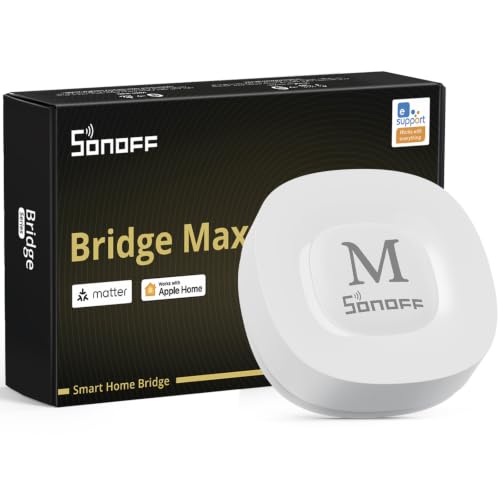
- Bridges Zigbee, BTHome, and eWeLink devices to Matter.
- Local web console works without cloud services.
- Includes Ethernet, Wi-Fi, Home Assistant, and security support.
Best For: Local Zigbee-to-Matter integration across major platforms
Best SmartThings Option

- Supports SmartThings, Zigbee, Matter, and Z-Wave Plus.
- Many SmartThings automations run locally.
- Connects by Wi-Fi or Ethernet and supports Alexa and Google Home.
Best For: North American SmartThings households with mixed-protocol devices
AI Camera Hub
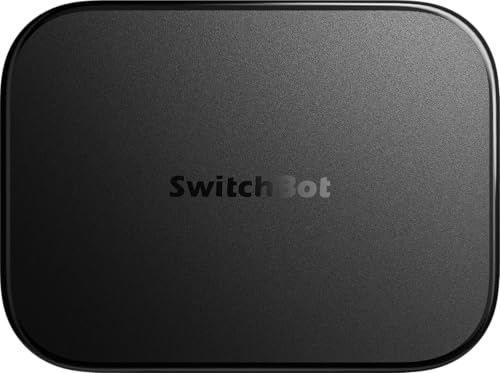
- OpenClaw support and camera-aware AI features
- Local NVR storage with included 16GB microSD
- Home Assistant pre-installed with Matter bridging
Best For: SwitchBot camera users wanting local storage and AI-assisted control
Local-First Powerhouse

- Seven protocols, including Z-Wave, Matter, and Thread
- Local processing with data stored on the hub
- Supports over 50,000 devices from 1,000+ brands
Best For: Multi-brand smart homes needing advanced local automations
SmartThings Local Hub
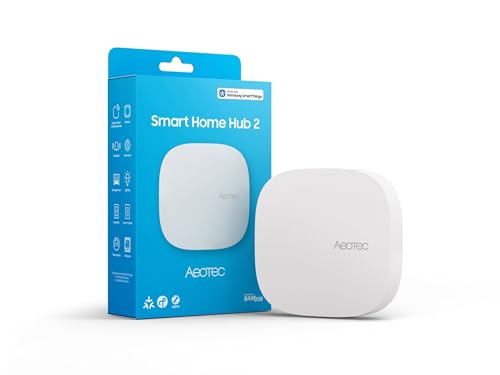
- SmartThings platform with Matter and Zigbee support
- Local automations can continue during internet outages
- Wi-Fi or Ethernet setup options
Best For: SmartThings users building Matter and Zigbee systems without Z-Wave
Best Overall – Home Assistant Green
Home Assistant Green | Smart Home hub with Advanced Automation | Official Home Assistant Hardware
Check Price On AmazonHome Assistant Green is one of the simplest ways to get started with smart home hubs with local processing. Home Assistant OS comes preinstalled, and the fanless hub keeps your home’s data on the device while providing a foundation for broad automation.
Best For: Homeowners who want a flexible, privacy-focused automation hub with an easy initial setup.
Pros:
- Home Assistant is preinstalled; connect the included power supply and Ethernet cable to begin.
- Local data storage, a quad-core processor, 4GB of RAM, and 32GB of storage support whole-home automations.
- USB ports allow expansion with Z-Wave, Zigbee, and Thread devices.
- Compact, silent, fanless, and power efficient.
Cons:
- Ethernet connectivity is used for the initial setup and listed connectivity.
- Z-Wave, Zigbee, and Thread connectivity require additional USB devices.
Green is a strong starting point for users who want Home Assistant’s extensive automation environment without assembling compatible hardware themselves. Its expansion approach leaves room to build a broader local smart home over time.
Best for Security Systems – eufy HomeBase 3
eufy HomeBase 3 is a security-focused hub with local storage and on-device privacy features. It coordinates compatible eufy cameras, doorbells, and sensors while offering expandable recording capacity without monthly storage fees.
Best For: eufy users building a centralized home security system with local video storage and integrated alerts.
Pros:
- Includes 16GB of built-in storage and supports expansion up to 16TB with a portable hard drive.
- Supports up to 16 eufy cameras or doorbells plus 34 sensors, for up to 50 devices.
- Facial recognition, encrypted data protection, and a 100 dB siren add security-focused functionality.
- Cross-tracking support and app-based management help coordinate connected security devices.
Cons:
- Designed for eufy devices rather than broad, multi-brand smart home control.
- Portable hard drive storage expansion is not included.
- Its listed wireless connectivity is 2.4 GHz Wi-Fi.
HomeBase 3 makes the most sense when your priority is eufy security rather than general-purpose automation. Its local storage and device capacity are especially useful for homes with multiple cameras and sensors.
Best for Multi-Protocol Automation – Hubitat Elevation C-8 Pro
Hubitat Elevation C-8 Pro is built for homeowners comparing smart home hubs with local processing and broad device compatibility. It runs automations directly on the hub and combines Matter, Z-Wave, Zigbee, and Bluetooth support in one compact device.
Best For: DIY users who want advanced local automations, multi-brand compatibility, and detailed rule logic.
Pros:
- Local automation processing keeps routines working during internet outages and reduces response delays.
- Supports Matter 1.5, Z-Wave 800 Series Long Range, Zigbee 3.0, and Bluetooth.
- Works with Alexa, Google Home, and Apple HomeKit, with compatibility across 1,000+ devices and 100+ brands.
- Rule Machine and the AI-assisted routine builder support both advanced and no-code automation approaches.
Cons:
- The advanced rule engine may require more setup than simpler hubs.
- It uses wired network connectivity according to the supplied product details.
The C-8 Pro is a capable choice for a growing, mixed-brand smart home. Its local-first design, protocol coverage, and detailed automation tools favor users willing to spend time refining their setup.
Best for Long-Range Devices – YoLink Local Hub
YoLink Local Hub is a practical option for smart home hubs with local processing when long-range connectivity is a priority. After setup, synced automations run locally, and its Local API can connect YoLink devices with platforms such as Home Assistant.
Best For: Homes using YoLink devices over long distances or power users who want local API integration.
Pros:
- LoRa connectivity reaches up to 2,034 feet under the supplied specifications.
- Preconfigured schedules, timers, and automations continue locally when external internet access goes down.
- Supports Ethernet or Wi-Fi connection to the router.
- Local API enables integrations with third-party local control centers such as Home Assistant.
Cons:
- Internet is required for initial provisioning, creating or modifying local rules, and syncing settings.
- Local access during a blackout also requires the router or network switch to remain powered.
- Local execution is centered on compatible YoLink devices and integrations.
YoLink Local Hub stands out for range and outage resilience, provided its automations are configured in advance. It is a particularly logical fit for users already invested in YoLink or planning a Home Assistant integration through the Local API.
Best for Easy Setup – Homey Pro mini
Homey Pro mini is a versatile choice among smart home hubs with local processing, combining local device management with support for Zigbee, Matter, Thread, and Ethernet. It can coordinate devices from more than 1,000 brands and continue operating automations when the internet is down.
Best For: Users building a broad, privacy-conscious smart home with flexible automations and multiple device protocols.
Pros:
- Processes smart home data locally for improved privacy and offline reliability.
- Supports Zigbee, Matter, Thread, and Ethernet out of the box.
- Works with 1,000+ brands and offers customizable Homey Flow routines.
- No subscription is required for Homey features, remote access, or voice integrations.
Cons:
- Z-Wave, Bluetooth, and infrared support require the separately sold Homey Bridge.
- The broad feature set may be more than needed for a smaller setup.
Homey Pro mini stands out for combining local processing, wide compatibility, and detailed automation tools without a monthly fee. It is especially compelling if you expect your smart home to expand across several protocols and brands.
Best for Matter Bridging – SONOFF Bridge Max
The SONOFF Bridge Max is a focused option among smart home hubs with local processing, designed to bridge Zigbee, BTHome, and eWeLink devices to Matter platforms. Its local web console allows configuration over the LAN without relying on cloud services.
Best For: Smart home users who need local Zigbee bridging to Apple Home, Alexa, Google Home, or Home Assistant.
Pros:
- Provides a local web interface with no cloud requirement for configuration.
- Bridges Zigbee, BTHome, and eWeLink devices to Matter platforms.
- Supports Ethernet and Wi-Fi connectivity.
- Includes a 90 dB alarm and mobile notifications for supported local security setups.
Cons:
- It is a Matter Bridge, not a Matter Controller, so it cannot add Matter devices directly.
- Its main role is bridging compatible devices rather than serving as a broad all-protocol hub.
Bridge Max makes the most sense when your priority is connecting Zigbee devices across ecosystems while keeping management on your local network. Confirm device compatibility and remember that Matter-controller functions are not included.
Best SmartThings Option – Aeotec Smart Home Hub
The Aeotec Smart Home Hub is a practical choice among smart home hubs with local processing for households using SmartThings. It supports Zigbee, Matter, and Z-Wave Plus on the V3 model, while many SmartThings automations can run locally for faster, more reliable operation.
Best For: North American SmartThings users who want broad device compatibility and wired or wireless setup options.
Pros:
- Supports SmartThings, Zigbee, Matter, and Z-Wave Plus on the V3 model.
- Many automations can run locally for improved speed and reliability.
- Works with Alexa and Google Home voice control.
- Offers both Wi-Fi and Ethernet setup.
Cons:
- Z-Wave Plus support is specified for the V3 model, so model details matter.
- Designed for use in North America.
- Automations and device management depend on the SmartThings app.
For households already invested in SmartThings, the Aeotec hub offers a familiar app-based experience with strong protocol coverage and some local automation. Its compatibility makes it a solid central controller, provided the North American model and V3 requirements fit your setup.
AI Camera Hub – SwitchBot AI Hub
The SwitchBot AI Hub is a specialized option among smart home hubs with local processing, combining local camera-event storage with Home Assistant, Matter bridging, and faster control for select SwitchBot BLE devices. Its AI camera features require a compatible camera and an AI+ subscription.
Best For: SwitchBot users who want local NVR storage, camera-aware AI features, and a pre-installed Home Assistant setup.
Pros:
- Includes OpenClaw support for compatible camera context, device actions, and chat-based control.
- Stores event recordings locally on the included 16GB microSD card, with expansion options.
- Supports up to eight compatible cameras and includes a Matter bridge.
- Provides faster local automations for select SwitchBot BLE devices.
Cons:
- AI camera features require an AI+ subscription and compatible cameras.
- It does not include IR control for televisions or air conditioners.
This hub is a strong fit for a camera-centered SwitchBot setup, especially if keeping recordings at home is more important than having broad built-in appliance control.
Local-First Powerhouse – Homey Pro Smart Home Hub
Homey Pro is a versatile choice among smart home hubs with local processing, supporting seven connectivity technologies and running automation processing on the hub itself. It is designed to coordinate devices across a broad range of brands while minimizing cloud dependency.
Best For: Enthusiasts building a multi-brand home with advanced automations, energy monitoring, and broad protocol support.
Pros:
- Supports Wi-Fi, Zigbee, Z-Wave Plus, infrared, BLE, Matter, and Thread.
- Processes automations locally and stores data on the device.
- Works with more than 50,000 devices from over 1,000 brands, subject to compatibility.
- Homey Flow and Advanced Flow support detailed custom routines.
Cons:
- The wide compatibility list still requires checking whether specific devices and brands are supported.
- Its extensive automation features may be more than needed for a simple setup.
For shoppers prioritizing local control and protocol flexibility, Homey Pro is the most comprehensive option here, with energy features adding practical value for larger or more complex homes.
SmartThings Local Hub – Aeotec Smart Home Hub2
The Aeotec Smart Home Hub2 is a practical SmartThings-based option among smart home hubs with local processing. It supports Matter and Zigbee devices, offers Wi-Fi or Ethernet setup, and can continue running many local automations during temporary internet outages.
Best For: SmartThings households that need Matter and Zigbee support without Z-Wave compatibility.
Pros:
- Runs through the established SmartThings app and ecosystem.
- Supports Matter and Zigbee devices across lighting, sensors, plugs, switches, thermostats, and more.
- Many automations can continue locally when the internet is temporarily unavailable.
- Supports either Wi-Fi or wired Ethernet connectivity.
Cons:
- Z-Wave is not supported.
- Local operation depends on whether a particular automation is supported locally.
This hub makes sense for users already invested in SmartThings or building a Matter-and-Zigbee system. Confirm device compatibility and the local status of important routines before buying.
How We Picked the Best Smart Home Hubs with Local Processing
We compared these hubs by how much automation can run locally, supported wireless standards, ecosystem compatibility, setup requirements, expandability, and suitability for different types of households. We also considered whether each hub offers useful integrations beyond its own brand and how clearly it handles internet outages.
“Local processing” varies by platform. Some hubs execute rules and device commands locally but still use cloud services for remote access, voice assistants, account management, cameras, or selected integrations. Check the manufacturer’s documentation for the exact features supported offline.
Quick Comparison
| Best For | Consider |
|---|---|
| Advanced customization | Home Assistant Green or SwitchBot AI Hub |
| Reliable local automation | Hubitat Elevation C-8 Pro |
| Broad multi-protocol support | Homey Pro or Homey Pro mini |
| SmartThings compatibility | Aeotec Smart Home Hub |
| Brand-focused security | eufy Security HomeBase 3 |
| Long-range sensors | YoLink Local Hub |
| Simple bridge functions | SONOFF Bridge Max |
Key Buying Factors for Smart Home Hubs with Local Processing
Protocol Support
Choose a hub that matches your existing devices and future plans. Zigbee and Z-Wave are useful for mesh-based sensors, Matter improves cross-platform compatibility, and Thread can support newer low-power devices. Ethernet may provide a more consistent connection than Wi-Fi for a central hub.
Automation Depth
For schedules, scenes, presence triggers, and conditional routines, look at the platform’s rule engine rather than its device count alone. Home Assistant and Hubitat generally offer extensive customization, while more guided ecosystems may be easier for beginners.
Offline and Remote Operation
Confirm which automations continue without internet access and whether remote control requires a subscription or vendor cloud account. Voice assistants and outside-the-home access commonly depend on cloud services, even when local device control is available.
Privacy, Security, and Maintenance
Local processing can limit data leaving your home, but it does not replace strong passwords, updates, network segmentation, and secure remote access. Also consider how much time you are willing to spend maintaining integrations, backups, and firmware.
Who Should Buy Which Smart Home Hubs with Local Processing?
Choose Home Assistant Green if you want powerful customization with official hardware and are comfortable learning a flexible platform. Choose Hubitat Elevation C-8 Pro for dependable local rules without building a server-based system.
Choose Homey Pro or Homey Pro mini if you want broad protocol support and a polished, multi-brand experience. Choose an Aeotec Smart Home Hub if your household is already centered on SmartThings; verify whether you need Z-Wave before selecting the newer hub without it.
Choose eufy HomeBase 3 for a eufy-centered security setup, YoLink for long-range sensors, and SONOFF Bridge Max for compatible bridge-style control. Choose SwitchBot AI Hub if its bundled local features and Home Assistant integration fit your devices and privacy goals.