Portable stereo microscopes make close-up viewing easier when you need depth, clarity, and mobility in one tool. They are useful for electronics, coin and stamp inspection, classroom science, insect study, and light workshop tasks.
This roundup focuses on practical, buyer-friendly picks that balance magnification, working distance, lighting, and portability so you can choose the right model without overpaying for features you may never use.
Best 10 Portable Stereo Microscopes Picks for 2026
Classroom-Friendly Stereo
AmScope SE100-LED Portable Binocular Stereo Microscope, 20X

- 20x max magnification with 2x objective
- Battery-powered reflected LED illumination
- Reversible black-and-white stage plate
Best For: Students and beginners inspecting larger specimens
Wireless Digital Pick
Jiusion 4K 50-1000x WiFi USB Digital Handheld Microscope

- 4K wireless output with wired PC support
- Compatible with phones, tablets, Mac, and Windows
- Built-in 8 LEDs plus adjustable stand
Best For: Users who want a portable digital microscope across devices
Specimen Starter Set
Aomekie 20X/50X Stereo Microscope with Slides and Minerals

- 20x and 50x magnification options
- Includes slides, insect specimens, and minerals
- Battery-powered LED lighting for portability
Best For: Beginners who want a microscope bundled with specimens
Screened Detail Viewer
TOMLOV DM9 7" Digital Coin Microscope

- 7-inch LCD for easier viewing
- 12MP camera with 1080P recording
- Metal base and adjustable lighting setup
Best For: Coin collectors and DIY users who want a screen-based microscope
Workbench Stereo Pick
AmScope SE306R-PZ Binocular Stereo Microscope

- 20x, 40x, and 80x stereo settings
- Forward binocular head with widefield optics
- Built-in top and bottom lighting
Best For: Stable bench use with layered lighting and comfortable binocular viewing
Wireless Portability Pick
Skybasic WiFi Digital Handheld Microscope

- WiFi and USB compatibility
- 8 adjustable LED lights
- Lightweight handheld design with photo/video capture
Best For: Casual field viewing and phone-friendly magnification on the go
Pocket STEM Pick
Carson Pocket Micro 20x-60x LED Microscope
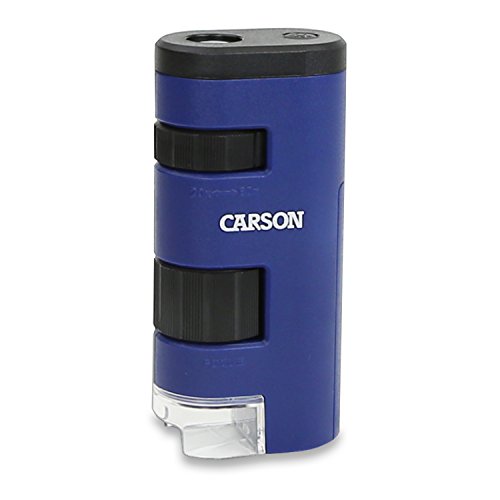
- 20x-60x magnification for everyday viewing
- Built-in LED light for low-light use
- Pocket-sized, durable, and beginner-friendly
Best For: Students and casual users who want a tiny handheld microscope for exploration
Portable Biological Pick
ESSLNB 30X Binocular Stereo Microscope

- 30X magnification with WF10X eyepieces and 3X objectives
- Dual LED lighting for top and bottom viewing
- Binocular head with 45-degree angle for more comfortable use
Best For: Home users and hobbyists needing a simple stereo microscope for larger specimens
Kid-Friendly Pocket Pick
BEAVERLAB Finder 4.0" Mini Microscope

- 4.0-inch IPS screen with 1080P imaging
- 100X-1600X digital magnification range
- 8 adjustable lights plus photo/video capture
Best For: Kids and beginners who want a portable digital microscope for learning and sharing
Zoom Workbench Pick
ZTEEERS Trinocular Stereo Microscope
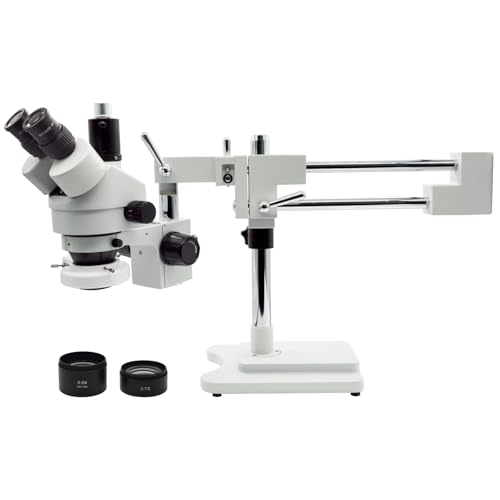
- 3.5X-90X magnification with continuous zoom
- Trinocular head supports cameras and electronic eyepieces
- Heavy base, boom stand, and dimmable LED ring light
Best For: Advanced users who need zoom flexibility and camera-ready inspection
Classroom-Friendly Stereo – AmScope SE100-LED Portable Binocular Stereo Microscope, 20X
If you’re comparing portable stereo microscopes for home, classroom, or hobby use, this AmScope model keeps things straightforward. It offers low magnification, binocular viewing, and reflected LED lighting so you can inspect rocks, stamps, jewelry, insects, and other larger specimens with less setup.
Best For: Students, hobbyists, and beginners who need a simple portable stereo microscope for larger specimens.
Pros:
- 20x maximum magnification with a 2x objective and 10x widefield eyepieces.
- Binocular head with adjustable interpupillary distance for easier viewing.
- Battery-powered reflected LED light for illuminating specimens from above.
- Reversible black-and-white stage plate helps improve contrast.
Cons:
- Fixed vertical inclination may be less flexible than adjustable viewing heads.
- Low magnification is better for larger objects than fine detail work.
Overall, this is a practical starter stereo microscope that focuses on usability and portability rather than advanced imaging. It makes sense if you want a dependable unit for basic specimen inspection without a complicated learning curve.
Wireless Digital Pick – Jiusion 4K 50-1000x WiFi USB Digital Handheld Microscope
Among portable stereo microscopes and handheld digital options, this Jiusion model stands out for wireless viewing and broad device compatibility. It can be used with phones, tablets, and computers, making it a flexible pick for examining circuit boards, coins, jewelry, skin, and insects.
Best For: Users who want a portable digital microscope that works across phones, tablets, and computers.
Pros:
- 4K wireless microscope with 3840x2160P output.
- Works with iOS, Android, Mac, Windows, Linux, and Chrome OS.
- Built-in 8 LED lights with focus and brightness adjustment.
- Includes a stable stand for hands-free use.
Cons:
- Zoom +/− buttons only work on phones and tablets, not on PCs.
- Handheld digital design is different from a traditional binocular stereo microscope.
This is a strong choice if your priority is portability, device compatibility, and easy digital viewing rather than a classic optical stereo setup. It is especially useful when you want to inspect and share images directly from a phone or computer.
Specimen Starter Set – Aomekie 20X/50X Stereo Microscope with Slides and Minerals
If you want portable stereo microscopes for beginner-friendly specimen work, this Aomekie package is built to be ready out of the box. It includes slides, insect specimens, and mineral specimens, making it a practical option for home study or classroom demonstrations.
Best For: Beginners, students, and families who want a stereo microscope bundled with specimens and slides.
Pros:
- Offers 20x and 50x magnification with WF10X and WF25X eyepieces.
- Includes insect specimens, 10 slides, and 12 mineral specimens.
- Battery-powered LED lighting keeps it easy to move and carry.
- Binocular viewing and adjustable interpupillary distance suit different users.
Cons:
- Requires two AA batteries, which are not included.
- More of an elementary microscope than a high-detail inspection tool.
For buyers who want a complete learning package, this model is appealing because it combines the microscope with sample materials. It is a sensible pick when convenience and educational value matter more than advanced optics.
Screened Detail Viewer – TOMLOV DM9 7" Digital Coin Microscope
For portable stereo microscopes and close-up digital inspection tools, this TOMLOV DM9 is aimed at users who want a larger screen and detailed viewing. The built-in 7-inch LCD, metal stand, and adjustable lighting make it useful for coins, PCB work, jewelry, stamps, and other small subjects.
Best For: Coin collectors, hobbyists, and DIY users who want a stable digital microscope with a built-in screen.
Pros:
- 7-inch LCD screen makes close-up viewing more comfortable.
- 12MP camera with 1080P video recording for saving results.
- Solid metal base and adjustable stand help reduce shake.
- 8 LEDs plus two flexible gooseneck lights support better illumination.
Cons:
- Digital microscope format is different from a traditional binocular stereo microscope.
- Best suited to close-up desk use rather than true handheld portability.
This model makes sense if you want a stable inspection setup with screen-based viewing and recording. It is especially practical for collectors and repair users who value comfort, lighting control, and easy image capture.
Workbench Stereo Pick – AmScope SE306R-PZ Binocular Stereo Microscope
If you’re shopping for portable stereo microscopes with a more traditional viewing setup, the AmScope SE306R-PZ is a solid bench-ready option. It combines 20x, 40x, and 80x stereo magnification settings with a forward binocular head, making it useful for close inspection work where comfort and clear depth perception matter.
Best For: Hobbyists, classroom labs, and inspection tasks that need a stable binocular stereo microscope with both top and bottom lighting.
Pros:
- 20x, 40x, and 80x stereo magnification settings for flexible viewing
- Widefield optical glass lenses for clearer image quality
- Built-in incident and transmitted lights support different specimen types
- All-metal pillar stand adds stability for bench use
Cons:
- Corded electric power makes it less convenient for true field portability
- Bulkier than handheld portable stereo microscopes
- Designed more for fixed workspace use than grab-and-go inspection
Overall, this model makes sense if you want a dependable stereo microscope with useful lighting and a sturdy build rather than a compact travel unit. It’s best suited to a permanent work area where stable, detailed viewing is the priority.
Wireless Portability Pick – Skybasic WiFi Digital Handheld Microscope
For buyers comparing portable stereo microscopes, this Skybasic handheld digital microscope leans hard into mobility and screen-based viewing. It connects by WiFi or USB, includes 8 adjustable LED lights, and is easy to carry for quick inspections of plants, insects, coins, and other small objects.
Best For: Casual outdoor use, kids, and anyone who wants a lightweight portable microscope that works with phones, tablets, or computers.
Pros:
- WiFi and USB connectivity for phones, tablets, and computers
- 8 adjustable LED lights help improve detail and clarity
- Compact, lightweight design is easy to take anywhere
- One-button photo and video capture adds convenience
Cons:
- Not a traditional microscope, so it’s less suited to serious biology work
- Best focus range is limited to 3-60 mm
- Some setup steps and app updates may be needed for best performance
This is a practical choice if portability matters more than lab-grade optics. It’s especially appealing for quick, casual observations where digital viewing and simple sharing are more important than a classic stereo microscope format.
Pocket STEM Pick – Carson Pocket Micro 20x-60x LED Microscope
If you want a simple option among portable stereo microscopes for everyday inspection, the Carson Pocket Micro is built for quick handheld use. Its 20x-60x magnification range, built-in LED light, and pocket-sized body make it a straightforward tool for examining stamps, coins, plants, and other small objects.
Best For: Kids, students, and casual users who want a compact, easy-to-carry microscope for STEM learning and everyday exploration.
Pros:
- 20x-60x magnification covers a useful everyday range
- Built-in LED light helps with clearer viewing in dim conditions
- Compact, durable, and easy to carry
- Simple controls make it beginner-friendly
Cons:
- Plastic build is less substantial than metal-bodied alternatives
- Battery-powered design may require occasional replacement
- Limited to basic handheld observation rather than advanced stereo viewing
As a grab-and-go microscope, this Carson model is best when ease of use and portability matter most. It’s a good fit for learning and casual inspection, especially if you want something small enough to keep on hand.
Portable Biological Pick – ESSLNB 30X Binocular Stereo Microscope
If you want portable stereo microscopes for close-up viewing of specimens, rocks, stamps, jewelry, and other larger objects, this ESSLNB binocular model keeps things simple with a fixed 30X setup and dual LED illumination. The binocular head and 45-degree viewing angle are designed for more comfortable, less fatiguing observation during longer sessions.
Best For: Hobbyists, students, and home users who want a straightforward binocular stereo microscope for general specimen inspection.
Pros:
- 30X magnification from WF10X eyepieces and 3X objectives
- Dual lighting helps illuminate both the specimen and the object being observed
- Binocular viewing with adjustable interpupillary distance can be easier on the eyes
- Suitable for home, lab, and hobby use on larger specimens
Cons:
- Fixed 30X magnification is less flexible than zoom models
- Heavier metal build may be less convenient for frequent transport
- No digital camera or screen features included
For buyers who mainly need a reliable portable stereo microscope for hands-on inspection rather than advanced imaging, this model covers the essentials well. It emphasizes comfort, basic clarity, and dual illumination over extra features.
Kid-Friendly Pocket Pick – BEAVERLAB Finder 4.0" Mini Microscope
For families shopping portable stereo microscopes in a kid-friendly format, this BEAVERLAB handheld miniscope is really a digital pocket microscope built for exploration. It pairs a 4.0-inch IPS screen with 1080P imaging, 100X-1600X magnification, and adjustable lights so kids can look closely at coins, fibers, plant veins, and insect details.
Best For: Children and beginners who want a compact digital microscope for learning and easy sharing.
Pros:
- 4.0-inch IPS display with 1080P HD imaging
- 100X-1600X magnification for a wide range of close-up views
- Built-in hotspot and photo/video capture make sharing easy
- 8 adjustable lights help visibility on different specimens
Cons:
- Designed as a handheld digital miniscope, not a traditional stereo microscope
- Battery-powered operation means it needs charging for regular use
- Best suited to small objects rather than larger mounted specimens
This is a practical pick if your priority is portability, simplicity, and education rather than bench-style optical viewing. It’s geared toward curious kids who want a compact microscope they can carry and use right away.
Zoom Workbench Pick – ZTEEERS Trinocular Stereo Microscope
Among portable stereo microscopes built for more serious inspection work, this trinocular zoom model stands out for its 3.5X-90X range, heavy-duty stand, and included LED ring light. The trinocular head also supports camera or electronic eyepiece adapters, making it useful when you need to observe and document the same subject.
Best For: Users who want a professional stereo microscope with zoom flexibility and camera-ready viewing.
Pros:
- Continuous 0.7X-4.5X zoom with 3.5X-90X total range using auxiliary lenses
- Trinocular head supports digital camera and electronic eyepiece connections
- Heavy steel base and boom stand provide stable positioning
- 56S LED ring light includes a dimmer for adjustable shadow-free illumination
Cons:
- Large boom-stand setup is less compact than simpler portable models
- Bulk and weight make it better for bench use than travel
- More advanced design may be more than casual users need
If your version of portability means moving a capable microscope between work areas rather than carrying it in one hand, this is the most feature-rich option here. It balances zoom range, lighting, and imaging support for detailed stereo observation.
How We Picked These Portable Stereo Microscopes
We prioritized models that are genuinely useful outside a lab bench: compact footprints, stable stands or handheld use, decent illumination, and magnification ranges that fit common inspection tasks. We also favored options with straightforward controls, clear optics, and practical accessories that improve everyday use.
Quick Comparison: Which Type Fits Your Use Case?
Not every model serves the same purpose. Some Portable Stereo Microscopes are best for true binocular viewing and depth perception, while digital handheld units are better for sharing images on a screen, capturing photos, or inspecting solder joints and small objects in the field. Pocket models emphasize speed and convenience, while larger stand-based microscopes deliver more stability and a more traditional viewing experience.
Key Buying Factors for Portable Stereo Microscopes
Magnification and Real-World Working Distance
Higher magnification is not always better. For stereo work, lower to moderate magnification often gives you more usable working space and a wider field of view. If you plan to handle parts, dissect samples, or inspect surfaces, make sure the microscope leaves enough room between the lens and the object.
Optics, Depth Perception, and Eyepieces
True stereo binocular designs provide better depth than basic digital zoom models. Check eyepiece quality, objective range, and whether the optics are fixed or zoom-based. For careful inspection, consistent image clarity matters more than inflated maximum magnification claims.
Lighting and Image Stability
Built-in LED lighting is important for mobile use, especially indoors or on darker subjects. Adjustable brightness helps avoid glare on shiny parts, coins, or insect shells. A stable stand or solid base also matters because small vibrations are easier to notice at close range.
Digital Versus Optical Viewing
If you want teaching, documentation, or screen sharing, a digital model may be the better fit. If your priority is natural three-dimensional viewing and hands-on work, optical stereo microscopes usually offer a more intuitive experience.
Who Should Buy Which Portable Stereo Microscopes?
Buy an optical stereo model if you need depth, precision, and direct viewing for hobby work, inspection, or sample handling. Choose a digital handheld or screen-based microscope if portability, photo capture, and sharing matter more than classic stereo depth. For kids and casual STEM use, lightweight pocket models are often the simplest and most affordable entry point. For advanced users, a trinocular or zoom-capable setup offers the most flexibility, especially when you want both viewing and imaging in one system.
In short, the best Portable Stereo Microscopes are the ones that match your real task, not the highest spec sheet number. Focus on optics, lighting, stability, and working distance first, then choose the form factor that fits how you’ll actually use it.